Introduction: The importance of community for resilience
In an era marked by record-breaking climate extremes, a growing number of disasters and emergencies and shrinking humanitarian budgets, the imperative to act to prepare before crises strike has never been more critical. But today’s emergencies are not only physical – they are also informational. Harmful information can amplify fear, erode trust and disrupt preparedness and response efforts. It exacerbates existing vulnerabilities and tensions, compounding risks in contexts where trust is already fragile. As with disaster risk reduction, addressing harmful information requires a fundamental shift from reactive response to proactive resilience. This means supporting locally led action, investing ahead of crises and tackling the root causes of risk at the heart of humanitarian strategies.1
Just as physical disasters need not be deadly or destabilizing if communities are supported to anticipate, withstand and adapt, the same holds for harmful information. The challenge lies in scaling and sustaining locally grounded solutions by embedding information resilience into humanitarian programming. Strengthening resilience through integrated, cross-sectoral approaches shifts the focus from reacting to harmful information crises to managing risks and building communities able to withstand them.
This chapter shifts the focus of previous chapters from identifying the threats posed by harmful information to exploring practical, community-driven solutions that strengthen local capacity and resilience. It also draws on primary research with community members, recognizing that top-down approaches – which often emphasize the roles of governments, organizations or technology companies – may overlook dynamics that critically shape the effectiveness of responses in community contexts.2
Communities are inherently dynamic and complex, so too are the vulnerabilities they face. Multiple, interconnected factors – physical, human, financial, natural, social and informational – shape a community’s resilience. In today’s increasingly digital and connected world, the ability to access, interpret, trust and act on information is critical to how communities prepare for, respond to and recover from crises. Understanding and strengthening resilience therefore requires a holistic multidisciplinary approach that considers how these factors interact and evolve over time. One aspect of this is how harmful or helpful information flows through and influences community systems. Community-level organizations are uniquely positioned to understand both the needs and specific contexts in which harmful information takes root and spreads. They are often best placed to respond to localized challenges, grounded in a clear understanding of community dynamics, relationships and priorities.
6.1Determining community
A community is a group of people who may or may not live in the same area, village, neighbourhood or region but who share a common culture, habits, resources or social connections. Communities are also shaped by shared exposure to the same threats and risks, such as disease, political and economic issues and disasters.3
The term ‘community’ is diverse and depends on context. It often refers to:
- a group of people living in a defined geographic area
- a group of people sharing common culture, values, norms or social structures
- a collective defined by shared interests or identities, whether local, national or international.
People frequently belong to multiple communities and research shows that the more communities an individual is connected to, the more resilient they are likely to be.4
In the digital age, the meaning of community has expanded. Communities are no longer defined solely by geography; technology connects people locally and transnationally, allowing them to gather around shared interests, values or identities. Internet-age recognition – whether of identity, expression or experience – does not just amplify individuals or ideas, it also draws people into contact with others who think and act as they do. Thus, the term ‘community’ increasingly denotes a group with shared interests and identities that make them distinct from the wider world. Where communities were once primarily place based, many are now interest or identity based, formed online and transcending physical boundaries, including for those who find a sense of belonging in exclusionary or harmful identities.5
The evolving notion of community highlights the importance of peer-to-peer relationships and community building in responding to harmful information. Strengthening these connections is central to building information resilience and promoting locally led responses.
6.2Community engagement and accountability
Local communities are on the frontlines of the risks posed by harmful information and are essential sources of understanding, local knowledge and effective mechanisms to reduce those risks. Local actors are often the most trusted voices. Trust and proximity are critical for developing contextual understanding, leveraging localized knowledge and countering harmful information narratives. As first responders themselves in emergencies, communities are also the first to be affected by rumours, panic and harmful information.
The Red Cross Red Crescent Guide to Community Engagement and Accountability (CEA)6 outlines five key objectives to engage communities across all stages of programming:
- To understand the community context and needs.
- To deliver better, more effective programmes and operations.
- To build trust, access and acceptance with communities.
- To strengthen community ownership and resilience.
- To uphold commitments and accountability to communities.
These objectives are particularly relevant in the context of harmful information, which often flourishes in environments marked by low trust, unmet information needs or social exclusion. Engaging communities throughout the design, implementation and evaluation of interventions and programmes aimed at countering harmful information helps ensure that responses are relevant, culturally appropriate and sensitive to the crisis context and evolving information landscape. Such engagement also enables practitioners to identify information gaps, social tensions and power dynamics that may shape how messages are shared, interpreted or received. In some cases, the process of co-developing information responses can itself serve as a connector – rebuilding trust, fostering dialogue and creating space for local problem-solving. Whether addressing harmful information or broader challenges to resilience, CEA remains central to effective and principled humanitarian action.
In the face of harmful information, community resilience is key to anticipating, absorbing and adapting to its impacts. The IFRC defines resilience as: “The ability of individuals, communities, organizations or countries exposed to disasters, crises and underlying vulnerabilities to anticipate, prepare for, reduce the impact of, cope with and recover from the effects of shocks and stresses without compromising their long-term prospects.”7
In Central America, the institutionalization of community engagement and accountability (CEA) has been key to guiding actions that place community voices at the centre of humanitarian response. This has been reflected in the development of audiovisual case studies – tools that not only document good practices but also highlight the experiences, concerns and proposals of affected people.
In 2022, the Honduran Red Cross and Guatemalan Red Cross produced participatory videos as part of their responses to Hurricanes Eta and Iota, as well as to COVID-19. In these videos, communities share their challenges and recovery processes in their own words, illustrating how active participation strengthens the relevance and effectiveness of the response.8
In 2023, under the Programmatic Partnership, actions were documented through an audiovisual case study. In one of these videos, Red Cross volunteers and staff explain why feedback mechanisms are essential in emergencies and humanitarian programmes. Feedback enables communities to share their opinions and is a cornerstone of the CEA approach within the IFRC network, ensuring that local voices are heard and integrated into decision-making.9
In 2024, through the Building Trust project, inter-institutional coordination was strengthened through active listening and community analysis. This strategy demonstrates how institutionalizing CEA not only improves communication but also transforms the way the IFRC designs and implements actions.10
Impact of CEA in public health emergencies – Guatemala (2023)
This case study,11 part of a global research initiative commissioned by IFRC, analyses the impact of the CEA approach in the context of public health emergencies. The primary objective is to identify, understand and document how the implementation of CEA has influenced Red Cross programmes and community health systems in five countries: Indonesia, Guatemala, Guinea, Georgia and Malawi. In Guatemala, the 2023 study drew on lessons learned during the COVID-19 pandemic and its recovery phase.
The findings highlight that evidence-based actions, both qualitative and quantitative, are essential to guiding interventions that are more contextualized, relevant and sustainable. Combining statistical data with community narratives provides a more comprehensive understanding of the effects of humanitarian actions and the factors that influence their effectiveness. The use of structured feedback mechanisms, perception analysis and community-level information monitoring has significantly strengthened trust, programme relevance and public health outcomes.
Furthermore, effective impact measurement requires the strengthening of local capacities for data collection, analysis and ethical use. This underscores the need for sustained investment in technical training, methodological support and the recognition of community knowledge as a legitimate source for decision-making. Finally, the institutionalization of CEA, combined with its continuous evaluation, has demonstrated its potential to transform both humanitarian response and the relationship between communities and health systems.
Influencing public policy through CEA – Panama (2025)
This case study12 analyses how the Panamanian Red Cross is leveraging its auxiliary role to the state and its active participation in governmental coordination spaces to influence public policy, promote more participatory and accountable disaster responses and strengthen its position as a key humanitarian actor in the country.
The National Society has actively promoted the CEA approach. Working in partnership with institutions such as the Ministry of Health and the Ombudsman’s Office, it has jointly established mechanisms to channel community feedback to the relevant authorities, contributing to improved quality and relevance of responses – as demonstrated during the 2024 dengue fever outbreak and flood emergencies.
The Panamanian Red Cross has also implemented targeted training initiatives (such as CEA in emergencies workshops) for its staff, government officials and inter-agency partners, as well as conducting knowledge, attitudes and practices surveys, and disseminating institutional policies.
The study highlights how this strategy has enhanced coordination, prevented duplication of aid efforts and increased community acceptance. It also underscores the importance of sustained investment in the institutionalization of CEA, including increasing geographic coverage, recruiting dedicated technical personnel and integrating CEA across all phases of programmes and operations.
Strengthening social cohesion through community-led evidence – Ecuador (2023)
This study promotes social cohesion between migrants and host communities through strategies grounded in community perspectives. By collecting direct insights from both groups, it avoids dependence on harmful, unverified narratives and supports an evidence-based, community-driven approach to humanitarian programming.13
Conducted by the IFRC and the Ecuadorian Red Cross in five neighbourhoods with high levels of interaction between local and migrant populations, the study gathered 837 responses – 61% from host communities and 39% from migrants. Findings show that motivations for migration, length of stay in the country and individual expectations strongly influence perceptions of belonging and coexistence. Longer stays often increase migrants’ intention to settle, creating opportunities for more sustainable and inclusive programming.
Key results reveal a shared interest in entrepreneurship and community-based economic activities, especially among women. However, 57% of migrants reported experiencing differential treatment based on nationality, particularly in public spaces. Female respondents reported more discrimination within neighbourhoods, while male respondents more frequently cited discrimination on public transport. These patterns highlight the need for localized, gender-sensitive and time-specific inclusion strategies.
While mutual cultural curiosity exists, gaps remain. Both groups expressed a willingness to engage more deeply through festivals, educational initiatives and shared experiences. Community-generated recommendations emphasize the importance of face-to-face interaction over digital-only engagement, showing a strong preference for direct, human-centred dialogue.
This research supports the development of programmes that are technically sound, ethically informed and socially rooted. It fosters trust by reinforcing the safe and responsible use of data and encourages the use of IFRC-approved artificial intelligence (AI) tools within a clear ethical framework. In doing so, it strengthens humanitarian response through inclusive, context-aware decision-making that reflects the voices of the people most affected.
Andrés Caro
Social Data Science Specialist
Central America Cluster, IFRC
Carla Guananga
Community Engagement and Accountability Senior Officer
Central America Cluster, IFRC
Carolina Cortés
Community Engagement and Accountability Officer
Central America Cluster, IFRC
Gracia Banegas
Graphic Designer
Central America Cluster, IFRC
6.2.1Listening first: Understanding information ecosystems and enabling local capacity
Understanding how communities navigate information requires mapping both formal and informal communication flows. While formal channels – such as public service announcements, media outlets and official emergency alerts – play an important role, informal networks often have greater influence, especially in contexts where trust in institutions is low.
Family members, religious leaders, community elders and peer groups frequently serve as primary sources of information, shaping how messages are received, interpreted and acted on. These interpretations are further shaped by social norms, cultural beliefs and collective memory, which all filter whether information is trusted, questioned or rejected. Harmful information often exploits these dynamics, filling gaps where trusted, timely or locally relevant information is lacking or mistrusted. When official communication fails to resonate with or reach intended audiences, harmful information can become more persuasive, not because it is more accurate, but because it feels more familiar, accessible or aligned with lived experiences and perceptions.
The proliferation of disinformation and misinformation poses a significant and multifaceted threat to the Yemen Red Crescent Society, critically hindering its humanitarian operations and endangering the safety of its volunteers. False information reaches the National Society through social media, field reports, direct community interactions and its hotline, and manifests in several harmful ways. Examples include:
Challenges in humanitarian access and emblem misconceptions
A persistent challenge has been the misinterpretation of emblems, particularly the Red Cross emblem. In some communities, the presence of this emblem on aid items and banners alongside the Yemen Red Crescent Society logo is misconstrued as a sign of religious affiliation among partners. This misunderstanding has negatively affected local interactions, reducing cooperation from community leaders and generating some opposition to National Society initiatives.
The resulting misconceptions have created significant access barriers, directly impacting the Yemen Red Crescent Society’s ability to deliver aid and implement programmes effectively. To address this, it has prioritized humanitarian diplomacy by strengthening engagement with community decision-makers and influential figures. Through dialogue, the National Society has clarified the emblem’s universal humanitarian meaning and the neutral, independent nature of its partnerships. It has held numerous meetings to present its mandate, explain the purpose of its work and actively correct misconceptions. In addition, it is conducting focused operational communication sessions with community influencers. These sessions emphasize the humanitarian principles of neutrality, impartiality and independence. By proactively engaging with local leaders, the National Society aims to build trust, ensure its humanitarian mission is clearly understood and accepted, and strengthen community acceptance and support.
Building community trust through proactive communication
Proactive transparency and communication: At the heart of this success lies the principle of radical transparency. During all aid distributions – whether for floods, other disasters or cash assistance programmes – the Yemen Red Crescent Society prominently displays banners with clear and detailed eligibility criteria. These banners specify the exact conditions for receiving aid, along with the items and quantities being distributed. This simple yet powerful measure leaves no room for ambiguity and directly counters harmful rumours that certain individuals or groups are being unfairly excluded. By shifting the conversation from speculation to shared understanding of the distribution process, it ensures communities know how and why decisions are made, reinforcing trust in the distribution process.
Empowering communities through accountability: Beyond transparency, the Yemen Red Crescent Society has strengthened accountability by providing community members with direct channels for feedback and complaints. Dedicated complaint booths and hotlines at distribution sites encourage both beneficiaries and non-beneficiaries to voice their concerns. What could otherwise be a point of friction is transformed into an opportunity for direct engagement: trained staff can immediately address issues, clarify targeting criteria and explain the humanitarian principles guiding the National Society’s work. This proactive feedback loop not only resolves concerns but also demonstrates its commitment to fairness and accountability, reinforcing its role as a trusted partner.
Over time, this strategy has both addressed immediate issues and fundamentally changed the perception of the Yemen Red Crescent Society’s work in the most vulnerable communities. By turning a source of damaging rumours into a story of trust and community empowerment, the organization has solidified its reputation as an accountable and reliable humanitarian actor.
Rania Alshabibi
Planning, Monitoring, Evaluation and Reporting Manager
Yemen Red Crescent Society
What examples from your work illustrate how harmful information has affected humanitarian response, access or community trust?
Around one-quarter (23%) of the population in Kyrgyzstan was vaccinated with at least one dose of a COVID-19 vaccine as of December 2023 (WHO), one of the lowest coverage rates in the region despite availability of vaccines. Vaccine hesitancy during the COVID-19 pandemic translated into a broader distrust in vaccines afterwards, including routine childhood immunization. As a result, vaccine refusals increased markedly following the COVID-19 pandemic – a trend seen globally, but particularly pronounced in Kyrgyzstan.
In 2023, with IFRC support, the Red Crescent Society of Kyrgyzstan conducted a perception study on routine immunization, which provided deeper insights into people’s perceptions towards vaccination.14 Anti-vaccination sentiment continues to grow in the country. The Ministry of Health of Kyrgyzstan maintains a database of vaccine refusals – where parents or guardians of eligible children officially register their decision through a refusal form. According to the Republican Center for Immunoprophylaxis (the Ministry of Health’s main technical agency for immunization), newly registered refusals rose sharply after the pandemic from over 10,000 in 2021, 20,496 in 2022, 20,486 in 2023 and 19,760 in 2024.
In 2024, 93% of vaccine-eligible children received the second dose at the age of two (WHO Immunisation Data portal – Global). While this represents strong coverage, it remains below the recommended 95% threshold needed to achieve herd immunity. As a result, the country experienced a surge in measles cases in 2023, 2024 and 2025. In 2023, there were 7,046 confirmed cases; in 2024, the number rose sharply to 24,380 cases; and in 2025, more than 9,000 cases were reported.
How do you define or recognize harmful information in your context and who do you see as most affected by it?
In the case of harmful information about childhood vaccinations, it is ultimately children who bear the consequences of their parents and caregivers being influenced by harmful information on vaccination. For example, measles and rubella vaccinations in Kyrgyzstan are administered at the ages of one and two years, when children are too young to have any voice in the decision. The human cost is stark: in Kyrgyzstan, nine children died from measles-related complications in 2023, five in 2024 and ten in 2025.
What strategies or tools have you used or seen used effectively to respond to harmful information during disasters or crises?
Strategies used by the National Society to address vaccine hesitancy in programmes promoting COVID-19 vaccination and childhood vaccinations include:
-
Engaging religious leaders and community leaders: In Kyrgyzstan, vaccine hesitancy is often driven by false beliefs, for example, that vaccines made in certain countries are less safe or effective or that they may not meet Halal requirements. Leveraging its established relationships with local leaders and trusted figures, the Red Crescent Society of Kyrgyzstan is well-positioned to manage rumours and counter misinformation – an essential part of building trust and improving health outcomes. This approach has proven effective. Between April and September 2025, trained Red Crescent volunteers worked with 337 religious leaders, equipping them to share accurate information and encourage immunization among their communities. These leaders continue to explain the importance of vaccination from a religious perspective, using messages that combine evidence-based health information with religious interpretations.
-
Listening to communities and adapting communication strategies: the Red Crescent Society of Kyrgyzstan has well-established community feedback channels, including hotlines, community meetings and digital platforms, ensuring that community concerns are regularly collected, analysed and acted on. Staff are trained in active listening and respectful communication, allowing for effective feedback management. Based on community input, it adapts its key messages to better respond to concerns.
-
Reaching out individually with vaccine-hesitant parents: Despite the Ministry of Health’s efforts, there remains a group of parents hesitant about vaccination, leaving children zero-dose or under-immunized. Building on its earlier work (reaching more than 2,000 families with zero-dose children in 2023–2024), the National Society has found that one-to-one engagement is often required. Trained volunteers visit households – working alongside local health workers – to address fears and hesitations through active listening, emotional support and accurate, tailored information.
-
Engaging social media and mass media: In Kyrgyzstan, harmful information spreads largely through social media. To counter this, since 2023 the National Society partners with bloggers and influencers who share accurate information and positive vaccination experiences with their followers. At the same time, it supports parents and caregivers who actively promote childhood vaccination on social media and other public forums. To reach wider audiences, it also works with mass media agencies creating content and disseminating messages through radio broadcasts and television segments.
-
How does harmful information influence relationships with local communities, volunteers or authorities in your setting?
Based on the Red Crescent Society of Kyrgyzstan’s experience promoting COVID-19 vaccination during the pandemic, it was observed that even when volunteers successfully encouraged people to seek vaccination at local health clinics, some health practitioners themselves discouraged people from receiving the COVID-19 vaccine. A similar pattern was observed during responses to a surge of cases of measles, where certain health practitioners turned away parents and children, citing potential side effects. This highlights that efforts to counter harmful information must be fully supported by health services and that strengthening public trust in health practitioners and the health system remains essential.
Oyungerel Amgaa
Health and Care Manager for Central Asia
IFRC
For many years, Ecuador has faced an environment of constant social mobilizations that have shaped the humanitarian action of the Ecuadorian Red Cross. These complex scenarios have influenced its institutional response, transformed communication dynamics and redefined its presence on social media and other communication channels.
For example, a 2019 presidential decree eliminating the gasoline subsidy triggered strong social unrest in Ecuador and resulted in social mobilizations that lasted for 11 days. The level of violence intensified as major roads were blocked, cities became isolated, and shortages of food, medicine and other essential goods were reported. In response, the Ecuadorian Red Cross activated its response teams, operating in line with pre-established emergency plans.
Amid the crisis, disinformation spread rapidly on social media following the release of a video showing an ambulance in Quito’s historic centre distributing equipment intended for police officers, such as bulletproof vests and tear gas canisters. The post quickly went viral and had serious consequences for the Red Cross, though it did not involve a Red Cross vehicle. The misleading and malicious narrative led to emergency vehicles being stopped and inspected to verify whether they were transporting patients or supplies. There were difficulties in transporting blood components, delays in emergency care, tyres punctured by sharp objects, and rocks thrown at four ambulances clearly marked with the Red Cross emblem even while using sirens and flashing lights to reach injured individuals. The spread of false information generated mistrust, uncertainty and the word-of-mouth repetition at protest sites further weakened the credibility of first response organizations, undermining humanitarian action and compromising life-saving operations at a critical time.
Following the events of October 2019 and in the lead-up to the protest movements of June 2022, humanitarian diplomacy with all involved organizations became a key tool to counter disinformation that could directly impact the work of the Ecuadorian Red Cross. The dissemination of key messages through social media was a vital part of this strategy. Implementation took place at all levels under the leadership of the National Society President and Secretary General and in coordination with the management and operations teams throughout the country. The main objectives were to reinforce that Red Cross action is based on the principles of neutrality and impartiality that underpin its humanitarian work, and to prevent harmful information from undermining this work.
Complementary actions were carried out, including:
Strengthening the institutional image through the proper use of uniforms by all personnel.
Disseminating informational content about the Ecuadorian Red Cross ambulances to facilitate their identification and distinguish them from the vehicles used by other institutions.
Promoting the Fundamental Principles of the International Red Cross and Red Crescent Movement as pillars of humanitarian action.
Implementing the campaign ‘We Are Not a Target,’ aimed at raising awareness about the neutral role of ambulances in emergency response.
Disseminating key messages in both traditional and alternative media to highlight the role of the Red Cross.
These actions are part of a strategy aimed at raising public awareness about the humanitarian role of the Ecuadorian Red Cross in the context of social mobilizations. The initiative is reinforced through the use of accessible language – including Kichwa, as the predominant language in Indigenous communities – with the purpose of strengthening understanding and acceptance of Red Cross interventions.
Roque Soria
National President
Ecuadorian Red Cross
Juan Carlos Vizcarra
Secretary General
Ecuadorian Red Cross
A community-centred, trust-building approach played a pivotal role in transforming a highly volatile situation into a collaborative response effort during the 2018–2020 Ebola outbreak in eastern Democratic Republic of the Congo (DRC).15 Malteser International, active in the region since 2000, piloted the People First Impact Method (P-FIM) – a structured, participatory approach focused on listening first, then co-creating solutions with communities. Through a two-step process of open dialogue and collaborative planning, Malteser International staff worked directly with community members to:
- identify fears and barriers to trust
- address circulating rumours
- co-design communication activities based on local capacities and knowledge.
This locally anchored engagement helped to reduce tensions, rebuild trust and counter harmful information that had previously undermined the Ebola response.
The approach highlights a critical lesson: effective responses to health emergencies and harmful information require early, meaningful community involvement. In fragile and conflict-affected contexts, humanitarian actors must refrain from presenting themselves as experts with all-encompassing knowledge and all the answers. Instead, they should co-create responses with affected populations. Doing so not only counters harmful information, but also builds local ownership, strengthens community capacity and fosters motivation, trust and, ultimately, resilience.
Professor Pierre from the University of California refers to this mindset as ‘intellectual humility’ – the practice of acknowledging uncertainty, the possibility of being wrong and avoiding unwarranted overconfidence. For humanitarian organizations to embody intellectual humility means acknowledging both what they don’t know and that they don’t know16 while being open to learning from others – especially from the communities most affected.
For three decades, the Canadian Red Cross has partnered with more than 500 Indigenous communities across a vast and diverse geography. This work is anchored in the Indigenous Peoples Framework and its four pillars – reconciliation, cultural safety, collaboration and community-led service delivery – which together provide a principled, organization-wide approach to localized, accountable humanitarian action with Indigenous communities.
The framework recognizes that trust is built differently with Indigenous Peoples. The Canadian Red Cross invests in direct, recurring touchpoints with local points of contact, Indigenous community leadership, elders and community-based advisories, and provides critical information in Indigenous languages. These modalities keep engagement grounded in community priorities and help close information gaps where harmful information can emerge along the pre-crisis to post-crisis continuum. Lessons from the COVID-19 pandemic reinforced this approach: as many Indigenous Nations across Canada exercised sovereignty by closing their borders to protect residents, the Canadian Red Cross maintained two-way communication through dedicated virtual operations capacity and secure, trusted channels.
Today’s enduring climate risks heighten the need for this model. Although Indigenous Peoples comprise about 5% of Canada’s population, they accounted for an estimated 42% of wildfire evacuations in 2023,17 and 16% of disaster-related displacements.18 In response, the National Society prioritizes adaptable, localized delivery through mobile teams, embedded liaisons, in-language communications, and evidence-informed preparedness and evacuation supports – ensuring needs are met before, during and after crises while strengthening community resilience.
The Indigenous Peoples Framework aligns with the UN Declaration on the Rights of Indigenous Peoples and is grounded in the principle of free, prior and informed consent. The Canadian Red Cross upholds Indigenous data sovereignty: information shared by communities remains their property and is stewarded according to community protocols. These commitments underpin transparency and position the National Society as a partner of choice across First Nations, Inuit, Métis, urban, remote and northern contexts. Through the framework, it continues to walk alongside Indigenous communities by building trust, reinforcing local capacities and ensuring humanitarian action remains people first, culturally safe and led by the priorities of the communities it serves.
Jean-Philippe Crete
Director of Research and Policy, Office of Indigenous Relations
Canadian Red Cross
6.3What communities say: Primary research insights
Harnessing the contextual knowledge of volunteers of National Red Cross and Red Crescent Societies is important to understand how harmful information affects communities, how it interacts with trust, and how its impacts are mitigated. To capture this, the IFRC Solferino Academy conducted a 1.5-month rapid community intelligence study with 40 volunteers and staff from 10 National Societies, acting as community researchers.19 Between them, they interviewed 132 volunteers and community members – often people they support or live alongside – who have been affected by landslides, earthquakes, cyclones, floods, civil unrest, epidemics, pandemics, migration-related challenges, economic hardship and more.
Working with communities on a daily basis, the community researchers are uniquely positioned to identify challenges and highlight key considerations for response strategies. Some of the main findings include:
6.3.1Harmful information affects decision-making and organizations can be hampered by perceptions of their role
In disasters and crises, the absence of accurate information makes it difficult for people to make informed, beneficial decisions. A community member from Madagascar described the impact:
Distrust of the products distributed, such as hygiene kits or purified water, often stems from rumours or false information. This leads some people to reject solutions that are beneficial to [their own] health.”
Ensuring the availability of accurate information is therefore a priority for humanitarian organizations. Yet, even where trust exists, organizational reputations can hamper efforts to counter false information if information-sharing is not perceived as part of their role. A volunteer in Kenya explained:
[During an mpox outbreak, community members] perceived us as an organization that should come with goodies to give them … they didn’t take that sensitization seriously. The community … felt it’s better if [we] provided them with items that are [tangible] … rather than passing down information.”
The misalignment between organizational reputation, role and capacity can have profound effects. In one of the Qatar Red Crescent Society’s international operations involving many organizations, rumours about aid availability damaged trust and created community rifts. Confusion over the roles of different actors, combined with urgent needs, exacerbated the problem. As one community member – a response worker – noted:
The false information and rumours … greatly diminished our role as an organization. [Affected community members] started going to these [other] organizations asking where the aid was that had arrived [according to rumours], ‘Why didn’t we receive anything?’ … people during that period did not see or analyse what this organization was for.
Another response worker described how rumours fuelled inter-community tensions:
The issue of the mixed news … started to create a rift … and they started to give it interpretations based on ethnicity and sectarianism.
6.3.2“The very ties that bind communities together can make them more susceptible”; ties spread information, for better or worse
Harmful information often spreads most powerfully through trusted networks. A community researcher from Zambia explained:
Trust within communities is a form of trust that is resilient … built on shared cultural values, norms and understanding. At the same time, false information is particularly effective when it originates within the circle of people you trust … the very ties that bind communities together can make them susceptible to misinformation.
At the same time, false or misleading information may fracture community trust and disrupt social balance. As another Community Researcher from Zambia reflected:
It is evident that harmful information really disturbs the balance within communities.
A community researcher from Cameroon noted the complexity of these dynamics:
Trust within communities is fluctuating. … Nevertheless, close ties remain important landmarks, even if the rapid circulation of word-of-mouth [information] can strengthen solidarity as well as sow mistrust.
Social media accelerates these dynamics, rapidly amplifying both accurate and misleading information. A community member (rescue worker) in China pointed to a new challenge:
Nowadays, with the rise of short videos, some bloggers use AI to create composite images … you can describe a disaster to an AI, and it will generate images — but these images don’t match the reality. This kind of exaggerated and false information is actually quite common.
Harm affects humanitarians themselves. During the COVID-19 pandemic, misrepresentation of caregivers’ roles eroded essential trust between them and the communities they served. A community member in Madagascar recalled:
The media landscape … presented a simplified and often false image: either a ‘hero’ caregiver without weaknesses, or a caregiver ‘on the verge of collapse.’ Information, when exaggerated or minimized, distorts the social perception of the profession … This lack of nuance has fuelled stereotypes and exacerbated caregivers’ difficulty expressing their emotions. Misrepresentations undermined trust between caregivers and the public.”
6.3.3“Trust alone is not enough”: culture and structure play key roles
Even when trust exists, other factors can prevent accurate information from reaching communities effectively. In Sri Lanka, a community researcher explained why systems matter:
While trust exists, how this information is communicated is questionable. The Red Cross and government often lack a structured, efficient communication system … Trust alone is not enough without a proper system for fast, verified communication, even trusted organizations risk failing their communities during disasters.
Structural inefficiencies can also cause direct harm. Another community member observed:
Slow or delayed information hurts the efficiency of rescue efforts … When red tape and administrative hurdles prevent timely help from getting through, it wastes goodwill and [may] do more damage than outright false information.
Culture is equally critical. A community researcher in Uganda explained:
Culture plays a big role in shaping people’s ways of thinking and perception about information being passed to the community. People verify information through their leaders.
In Madagascar, a community researcher offered a striking example of how cultural codes shape interpretation:
In some parts of Madagascar, the arrival of two hatless men in a village traditionally signalled a death, illustrating the importance of cultural codes in communication. Understanding and respecting these practices can improve the effectiveness of awareness campaigns.
Community reasoning is also grounded in experience. A community researcher in Bolivia emphasized:
They had the same information from other doctors … but they always believed in what people close to them said… their [reasoning was]: if COVID was similar to a cold and in the past herbs cured them, the same could be used with COVID … we are not irrational, we continue to base ourselves on facts and experiences.
Identifying trusted groups within a culture is therefore essential. The research highlighted elders, traditional healers, religious leaders and women as particularly influential. In Zambia, a community member described the influence of women:
Women are one of the most influential individuals to advocate for health within communities and even in families… [they are] powerful in the face of public health.
In Bolivia, a community member highlighted the decisive role of mothers:
… mothers played a very important role … the information they had was not even questioned, it was believed and complied with … the mothers and the trust they had towards them, made the difference.
At the same time, the availability of digital tools is reshaping and sometimes challenging traditional structures. A Zambian community member observed:
The internet has revived and amplified ancient superstitions, spreading them rapidly and giving them new life.”
This is echoed by a community researcher from Madagascar who emphasized the intergenerational challenge:
Traditionally, local chiefs are focal points for information spread and verification, now youth start spreading information quickly through social media without going through the traditional verification channels.
Taken together, these insights highlight that building resilience against harmful information requires more than trust. Effective communication depends on the interaction of trust with cultural understanding and structural efficiency, ensuring that communities not only receive information but are also able to use it meaningfully.
6.4Community-led solutions
Addressing harmful information is most effective when messages originate from within communities rather than being externally imposed. In many settings, participatory content creation has proven more relevant and trusted, as it reflects local language, cultural references and lived experiences. Communities often make sense of events and share knowledge through storytelling, radio, theatre or visual communication – formats that are not only familiar but also emotionally resonant.
Where messages are co-created, they tend to carry greater legitimacy and reach. In contrast, efforts that focus solely on ‘correcting’ falsehoods – without acknowledging and addressing the underlying concerns or mistrust that make them persuasive – risk being ignored or even rejected. Observations across multiple contexts show that meaningful engagement, rather than top-down correction, is more likely to foster trust and shift harmful narratives.
Grand Challenges Canada frames the creation or strengthening of community networks as “initiatives focused on creating or enhancing spaces for dialogue”20 – bringing together community experts and organizing policy dialogues with, for example, local media, influencers and researchers on harmful information. These efforts aim not only to prevent and counter harmful information but also to build shared understanding and community-led solutions rooted in trust and accountability. This includes collaborating on information resilience, responsible journalism, community-based protection, human rights, prevention of hate and genocide, and peacebuilding.21 The efforts aim to avoid or mitigate the humanitarian consequences deriving from harmful information and address its implications on trust and integrity in humanitarian action – ensuring that trust, access and principled engagement are preserved even in contested or polarized environments.
By embedding harmful information responses within existing social and community networks, these initiatives help communities recognize, respond to and recover from information threats, going beyond isolated messaging campaigns. They involve long-term partnerships, support community-based protection mechanisms and promote responsible journalism and inclusive policy dialogues focused on human rights, hate speech prevention, peacebuilding and information resilience, among other areas.
Effectively addressing harmful information requires investing in and equipping community members who are already trusted. Depending on the context and issue – and whether online or offline – these trusted messengers may include religious leaders, community elders, women’s groups or youth networks, as well as digital influencers who shape narratives and reach wide audiences via online communities. Local influencers bring credibility by being grounded in lived local realities and close to people in need. Engaging with these actors not only enhances the reach and relevance of messaging but also reinforces trust, particularly where institutional credibility is weak or contested.
Alongside this, strengthening media and digital literacy at the grassroots level is essential as it empowers individuals to critically assess the information they encounter and share. Rather than imposing ready-made, top-down narratives, humanitarian organizations can provide practical tools on the principles and practices of humanitarian action (focusing on what it entails rather than who the organizations are). These approaches include feedback mechanisms, rumour-tracking systems and awareness-raising with local media. They enable communities to engage actively with information, challenge harmful content and contribute to more resilient and informed environments.
Case 1: Why community engagement in early warnings matters
A recent study22 in Malawi’s Nsanje and Phalombe districts showed community engagement is central to how climate change information is shared, trusted and acted on. Most people receive climate and early-warning information through community meetings led by trusted local actors – primarily government officers, NGOs, the Malawi Red Cross Society, local leaders and extension workers. These actors use familiar methods such as megaphones and direct dialogue to foster understanding and prompt action. Formal early warnings – including flood or drought alerts – are disseminated through radio broadcasts, local government officials and NGOs.
However, many community-based structures, such as village civil protection committees, lack the training and resources to share warnings consistently and independently, creating reliance on external actors. In Phalombe, younger and more digitally connected populations also turn to social media and local news, reflecting an evolving landscape of trusted communication.
Importantly, effective communication builds on existing community networks – women’s groups, youth clubs and local committees – that blend scientific forecasts with Indigenous knowledge. As one local organization staff member explained,
We use the Department of Climate Change and Meteorology Services for seasonal forecasts, but committees say things like ‘the hippopotamus was walking from the river to the community,’ meaning it smells a flood. So, the community relies more on Indigenous information than on scientific forecasts.”
This community-rooted approach strengthens the ability to detect and respond to harmful information, building resilience before, during and after crises. Grounding early warning systems in trusted, familiar community structures and communication methods helps humanitarian actors address misinformation and disinformation, ensuring timely and actionable information reaches those who need it most.
Case 2: A community-first approach to navigating harmful information during COVID-19
Harmful information thrives where trust is weak or communities’ information needs go unmet. The IFRC’s commitment to CEA – embedded in its policies and Strategy 2030 – recognizes that meaningful, inclusive community participation is essential for building mutual trust and sustainable resilience.
In an era shaped by misinformation and disinformation, trust-building and inclusive, actionable communication are vital. Recent research23 from Georgia, Guatemala, Guinea, Indonesia and Malawi – where National Red Cross and Red Crescent Societies applied CEA approaches during COVID-19 to counter harmful information through localized, trusted networks – highlights the following key findings:
-
Georgia:24 Leveraging local authorities, youth volunteers and trusted community spaces helped combat vaccine rumours. “I am not a passive participant … I suggested to the Red Cross to organize a first aid course in my village and they did.” (Community leader.) Key insight: Trusted local actors are essential to counter misinformation and prevent further marginalization.
-
Guatemala:25 Cultural complexity and social divisions fuelled distrust and misinformation. Collaboration with Indigenous councils, schools and women’s leaders helped tailor messages to local realities. Key insight: Community-led, culturally resonant communication counters disinformation that draws on lived experiences.
-
Guinea:26 Experience from past epidemics fostered trust in traditional leaders and peer educators who used storytelling and local theatre to challenge rumours. “Before, we didn’t dare, but thanks to persistent awareness and guidance, we dared to get vaccinated. We trusted the Red Cross volunteers because they are from the community.” (Community member.) Key insight: Past epidemic memory strengthens resilience against harmful information when combined with two-way communication.
-
Indonesia:27 Facing physical isolation and digital disinformation, collaboration with religious leaders and women’s groups enabled culturally adapted messaging through offline channels such as radio and community rituals. Key insight: While harmful information spreads digitally, trusted face-to-face communication remains a powerful corrective.
-
Malawi:28 Concurrent COVID-19 and cholera outbreaks fuelled fear, rumours and vaccine scepticism, including misinformation about infertility. Direct engagement with traditional leaders, health workers, youth and women’s groups – through household visits and dialogue – helped rebuild trust eroded by inconsistent messaging. Early delays in integrating community feedback limited initial responses to falsehoods. Key insight: Compounded crises amplify harmful information. Timely, inclusive and consistent messaging delivered by trusted peers is essential to restore confidence.
Case 3: Nepal:29 Rebuilding trust in vaccines through persistent, local engagement
In Nepal, trust was not built through mass messaging but through repeated, personal interactions. In rural Banke district – hit hard by COVID-19 and vaccine misinformation – trust began to grow when locally known Red Cross volunteers made household visits and listened without judgement. Demonstrating the vaccine’s safety first-hand proved more persuasive than technical facts alone.
Communities need space to ask questions and see proof, not just follow instructions. Rumours about infertility and vaccine trials spread quickly, but Red Cross volunteers stayed embedded in the community addressing misinformation through door-to-door visits, radio messages and by modelling healthy behaviours. Having the same volunteer return repeatedly helped shift scepticism into confidence.
At the onset of the crisis, the lack of clear, trusted information left people vulnerable to fear and falsehoods. As the pandemic evolved, so did the community’s need for more nuanced, timely information – especially during the vaccine rollout. Pre-existing mistrust made initial outreach difficult, but continued engagement helped move people from resistance to vaccine advocacy.
The Nepal Red Cross mobilized over 3,000 local volunteers, reaching more than 3 million people with culturally appropriate, localized communication. This hyperlocal, face-to-face model built lasting resilience – against COVID-19 misinformation and potentially for future public health crises as well. Empowered community members became messengers themselves, showing how trusted engagement creates ripple effects that strengthen community confidence.
Gefra Fulane
Research Coordinator
IFRC, Geneva
6.5Unpacking risk: A gender and diversity lens
Applying a gender and diversity lens is essential to understanding the distinct roles, risks and needs of different population groups in the community in relation to harmful information. Such analysis helps identify specific vulnerabilities, how exposure to information risks differ and what tailored interventions are needed to ensure all community members – regardless of gender, age, ability, ethnicity or other identity factors – can access trustworthy information and participate safely and meaningfully in decision-making. By understanding how gender and diversity shape people’s exposure to risk, including information-related risk, humanitarian actors can improve the safety, dignity and inclusion of affected populations. This approach also enhances the effectiveness of programmes and reduces the likelihood of exclusion, exploitation or abuse.
According to the International Telecommunication Union (ITU), 70% of men and 65% of women worldwide used the internet in 2024, meaning that approximately 189 million more men are online than women. While the gender digital divide is slowly narrowing, women still make up the majority of the global offline population. This gap is especially stark in least developed countries, where only 29% of women are online compared to 41% of men. Significant disparities also persist in Africa and the Arab States, where access for women continues to lag behind that of men. These digital divides have serious implications: unequal access to information and digital tools reinforces existing social and economic inequalities and limits women’s opportunities for education, employment, civic participation and health. It also restricts women’s ability to access reliable, life-saving information – especially in humanitarian crises. Addressing this divide is therefore not only a development issue but a matter of equity, inclusion and resilience.30
At the same time, rapid technological change is giving rise to new and evolving forms of violence, particularly against women and girls. The UN Secretary-General’s 2024 report31 underscores that perpetrators are increasingly using digital platforms and tools to carry out gender-based abuse, harassment and exert control, and misogynistic content is spreading across mainstream platforms. This reinforces harmful masculinities and discriminatory social norms that perpetuate violence.
The rise of generative AI has further intensified these risks by enabling image-based abuse, deepfakes (see Annex I: Glossary, on page 353) and the rapid spread and amplification of misogynistic narratives. There is growing evidence that online violence is closely linked to real-world harms, including gender-related killings and femicides. Online abuse also has profound psychological, social and health impacts, often deterring people – especially women and girls – from participating in public life, education and employment. Many people self-censor, reduce their online presence or withdraw from digital spaces altogether. In doing so, they lose access to the very tools and platforms that support resilience.
Many responses to harmful information remain gender-blind, failing to consider the distinct ways in which harmful content targets individuals and how different groups experience and respond to it. Gendered patterns of harm include targeted abuse, threats of sexual violence and violations of digital privacy, particularly against women and girls. In many contexts, structural barriers further restrict access to information, limiting the ability to verify or challenge misleading content. In addition to gender-based risks, age-related vulnerabilities are often overlooked.32 Children and older adults may lack the digital literacy, access or support systems needed to critically assess information or respond safely to online threats. Addressing harmful information responses effectively requires inclusive strategies that recognize and respond to the diverse risks and needs of different population groups.
Safeguarding in the humanitarian sector aims to prevent and protect people from harm caused by humanitarian actors delivering responses, including harm from sexual exploitation, abuse and harassment. Harmful or inadequate information, whether deliberate or unintentional, can undermine safeguarding by silencing survivors, deterring reporting or spreading false accusations that damage trust in complaint mechanisms. Misinformation can distort perceptions of what behaviour is and is not acceptable, and who is safe to approach, while disinformation may be used to discredit whistleblowers or cover up abuse.
Increasingly, sexually explicit or illegal materials are used to intimidate, harass, extort or discredit individuals. Intimate images may be edited, misused or circulated without consent; false rumours can target staff or community members; fake profiles or forged documents can manipulate perceptions and distort aid delivery and distribution models, reinforcing inequality and exclusion; and AI tools can create harmful fake content. Such narratives can erode community confidence in humanitarian actors and prevent access to protection services, reducing accountability and the humanitarian ‘licence to operate’.
Addressing this risk requires proactive communication: clear, consistent messaging on safeguarding commitments; transparent reporting processes; and staff, volunteer and community feedback mechanisms that are safe, accessible and trusted. By integrating safeguarding into information and communication strategies, humanitarian organizations can both protect individuals and reinforce the trust that underpins effective, accountable humanitarian action.
Joanne Dunn
Head of Safeguarding
IFRC, Geneva
6.6Building sustainable information resilience
Building resilience to harmful information requires more than short-term awareness campaigns: it demands sustained investment in local information infrastructure. In many contexts, trusted communication channels are fragile or underdeveloped, creating gaps that harmful content can easily exploit. Strengthening community radio, local media, feedback systems and digital access points ensures that reliable and relevant information is consistently available – not only during crises but before and after as well. As highlighted throughout this report, information is a critical need across the entire crisis continuum.
Well, as a primary source, yes, we relied a lot on the radio station since it is the main means of communication in my town. Even though nowadays there are new technologies and new ways to access information through social media, … the radio station is still very relevant, and in fact, it’s one of the media that has given us the most accurate information. Because while on social media they might say that such-and-such community is burning or that such-and-such town needs help, the only way to verify if it was true was through the radio station, since it did provide accurate information about what was happening at that time. … the radio station remains active and is something truly essential, I believe, for the town and where people listen the most.”
The IFRC emphasizes that timely, trusted and accessible information enables communities to anticipate risks, make informed decisions and recover more effectively. Crucially, two-way communication allows communities not only to receive information, but also to voice concerns, challenge harmful information and help shape responses. Over time, this kind of meaningful engagement helps to reinforce broader forms of resilience. Communities that can navigate information critically and collectively are often better equipped to manage wider challenges because trust, agency and access to knowledge are foundational to effective response and recovery in any domain.
In Chad, the fight against infectious diseases has been strengthened through a community-driven radio initiative that prioritizes trust, participation and local relevance. Through the Programmatic Partnership, the Red Cross of Chad and French Red Cross used Radiobox – a portable, easy-to-use broadcasting kit – to deliver accurate, life-saving health information to remote and underserved communities. Despite the rise of digital technologies, radio remains a vital tool in areas with limited access to health services. Radiobox allowed Red Cross volunteers to broadcast 140 live shows in local languages, focusing on epidemic-prone diseases, the importance of vaccination, and water, sanitation and hygiene practices. Crucially, the format was participatory: community members shaped the programme content, asked questions and voiced concerns around the health topics that mattered the most to them. This enabled volunteers to better understand and respond directly to the community’s needs, as well as to dispel any harmful health information. Over 10,000 people participated in the broadcasts and an April 2025 evaluation found strong evidence of impact: 80% of participants surveyed felt the health messages were clear and 91% reported changing daily health behaviours. Radiobox’s success demonstrates how trusted, inclusive communication channels can reinforce community preparedness, challenge harmful information and strengthen public health resilience.33
Japan’s unique linguistic and media environment provides a partial buffer against the global spread of harmful information. Because Japanese is spoken almost exclusively inside the country, the language itself acts as a kind of firewall, limiting the impact of harmful information campaigns circulating in other languages. Japan’s strong domestic media landscape – including public broadcasters – also helps shape a more contained information environment. This reduces dependence on foreign media sources and helps limit exposure to externally driven harmful narratives.
Social media usage patterns also differ in Japan. Platforms like LINE and X (formerly Twitter) are more commonly used than platforms like WhatsApp or Facebook. This creates a different digital ecosystem, where harmful information tends to be more localized and less influenced by international trends.
The Japanese Red Cross Society has consistently maintained a strong public communication strategy that contributes to trust and transparency. It offers information to donors, volunteers and members of the public primarily through its official website, social media accounts (X, Instagram, Facebook, YouTube), a monthly newspaper and other regular publications. Whenever a disaster occurs in Japan or abroad, it promptly communicates Japanese Red Cross Society disaster relief operations to donors and the public. In all donor communications, it directs people to clear explanatory resources such as its donation guide. As a result, instances of harmful information targeting the National Society have been extremely rare in Japan. Trust is cultivated not only through emergency communication, but through consistent, transparent dialogue over time.
Akihisa Okayama
Director General of PR Office
Japanese Red Cross Society
In the Sahel and Central Africa region, rumour and disinformation have a devastating impact. One example comes from the Central African Republic (CAR), where local populations shared how false news of an imminent conflict prompted several families to flee their homes, abandoning their possessions and deepening distrust among neighbours. Fondation Hirondelle has been working in the region for over 30 years. In our view, the main global risk linked to misinformation, malinformation and disinformation – which are increasing with digitalization and the rise of generative AI – is that of epistemic rupture. This concept refers to the breakdown of thought structures within a social group and it is unfolding along three fault lines:
- A growing segment of the population is being drawn into counterfactual narratives.
- The capacity for dialogue between those with opposing views is eroding, fuelling polarization.
- Less-connected, under-resourced populations – particularly those speaking marginalized languages – are being excluded from the production and sharing of knowledge.
To address this risk, it is not enough to merely counter disinformation as this approach is inherently reactive. Instead, there must be proactive and preventive investment in promoting information integrity.34
Fill the information vacuum:
The first step in this preventive approach is to act before rumour and disinformation become the most accessible response to the insecurity caused by a lack of credible information. This is best achieved by strengthening the capacity of local journalists and media to provide trustworthy, timely and relevant information that is accessible and in local languages and available across both online and offline platforms. This approach precedes fact-checking, which aims to identify and react to disinformation after it has already spread. It also differs from prebunking (see Annex I: Glossary, on page 353), which focuses narrowly on topics likely to attract falsehoods.
Promoting information integrity, by contrast, seeks to meet the broader information needs of communities. Scientific literature confirms that supporting local journalism is one of the most effective ways to prevent disinformation.35 Research conducted in CAR, in partnership with US-based academic partners, also confirmed the effectiveness of a journalistic approach in building audience trust and helping people differentiate fact from fiction in contexts where disinformation is pervasive.36
The key conditions for this preventive approach to have a positive impact are:
Grounding in journalistic ethics: Local journalists not only require proper training but also sufficient technical and financial resources to uphold professional standards. Their editorial independence must also be upheld. Blurring the line between the role of journalist and that of a spokesperson, activist or lobbyist promoting a particular point of view undermines public trust in journalism itself. Moreover, they need safety. Journalists are protected under international humanitarian law: as civilians, they must not be deliberately targeted and their equipment and installations must be respected.
Ensuring proximity and inclusivity: A journalist must be first and foremost a good listener – someone who actively seeks to hear and understand the diverse perspectives and information needs of their audience. This requires a local presence and proximity that enables journalists to connect with different communities, including the most marginalized, and to build trust. Proximity must be not only geographic, but linguistic: journalists must be able to communicate in local languages and in a manner that is accessible to their audience.
Accessibility also depends on the technologies used to share content. We recommend a hybrid (offline and online) and generalist (covering all types of news) approach to reach the widest possible audience. This involves producing content in various formats – audio, text and video – for multiple platforms, including TV, radio, newspapers, websites, social media and messaging apps, and in multiple languages. Content should be tailored to the needs of diverse population segments, especially the most vulnerable. This includes young people and women who are often among the first targets of discriminatory speech yet also play a critical role in spreading information within families and communities.
Digital technologies and AI can enhance the ability to listen at scale and improve the efficiency of content production. However, these tools come at a cost and require training and adaptation of professional practices. They also raise ethical concerns and must be used transparently. All AI-generated content must be reviewed by humans to avoid the spread of incomplete, unsourced or reductive information – or even disinformation. This is particularly critical in situations of armed conflict, humanitarian crisis and digital divide. AI systems operate primarily on digitalized data in majority languages; they are not neutral and often reflect cultural, linguistic and ideological biases. These technologies can support, but not replace, field presence, contextual expertise and human connection.
Improve information and media literacy, through the media and with communities:
Alongside efforts to improve the supply of information by enhancing the quality and accessibility of informative content, a second vital step in preventing the impacts of disinformation is to improve the demand side. This involves strengthening the ability of audiences to evaluate the quality of the content they encounter, choose to consume and share.
Information and media literacy through the media can be fostered in two key ways. First, through greater transparency, by explaining how journalists gather, process and prioritize information. Second, by developing dedicated features such as regular fact-checking segments and educational programming focused on subjects vulnerable to disinformation.
Such initiatives help alert audiences and raise awareness by using concrete examples of disinformation, while also offering ways in which they can guard against it. In parallel, and drawing on the example of Fondation Hirondelle’s media work across the Sahel and Central Africa, physical spaces for discussion and dialogue can be established in neighbourhoods or villages to talk about the information circulating in a community. These forums – led by local journalists in partnership with community radio stations, local leaders or mediators – create opportunities to clarify rumours and share verified information. Additionally, interactive public programmes recorded live in communities, rather than in studios, allow opportunities for community members to learn how the media works.
Sacha Meuter
Head of Research and Policy
Fondation Hirondelle
6.7The community within: How volunteers build trust and humanitarian reach
Volunteers are not outsiders who arrive to assist in times of crisis – they are the community itself. Drawn from the very neighbourhoods, villages and networks they serve, volunteers embody the lived realities, concerns and strengths of people in need. Their proximity builds trust, their presence ensures cultural and linguistic relevance, and their credibility anchors humanitarian action in local resilience. In many contexts, volunteers are the first to respond and the last to leave, making them both the frontline of assistance and a vital bridge between humanitarian organizations and the communities they aim to support.
Trust is built through continuous engagement with communities, from health promotion during cholera, measles and mpox outbreaks to supporting livelihoods when disasters such as fires occur. We listen to their needs, fostering acceptance that allows us to respond effectively in times of crisis, such as during this year and last year’s [2024 and 2025] challenging anti-government demonstrations. Youth initiatives that nurture talent through sports and arts, alongside psychosocial support programmes, have also strengthened relationships and changed perspectives, further deepening trust and cooperation.”
In an era marked by harmful information and growing public mistrust, humanitarian volunteers are both a vital asset and an increasingly vulnerable group. Their close proximity to communities and their lived experiences make them among the most trusted voices in the humanitarian ecosystem, but this trust is being tested. Volunteers are frequently exposed to the suspicions, misinformation and accusations directed at humanitarian organizations, especially when harmful narratives spread unchecked.
Volunteers play a crucial role in building resilience within their communities, branches and National Societies. They enhance each system’s ability to withstand and recover from disruptions or stressors – precisely because they are an integral part of those systems. It is important to think of ‘community’ in a broad and inclusive sense: communities can include schools, sports centres, churches, digital platforms, social and support services, LGBTQ+ groups, neighbourhoods and more.
One of the most significant challenges facing humanitarian volunteers today is the emotional toll of dealing with hate speech and the constant flow of misinformation and disinformation. Volunteers are proud to serve and to be part of the world’s largest humanitarian movement. That sense of identity can feel under threat when harmful or misleading information, especially hate speech, targets the systems they represent, whether at the community, branch or national level.
At the Italian Red Cross, we’ve learned through responding to emergencies, crises and disasters, including the COVID-19 pandemic, that restoring balance is closely linked to prevention and preparedness. This lesson also applies to information-related challenges. Strengthening media literacy and building a strategic approach to harmful information are essential components of building resilience.
We can and should develop clear strategies to respond to harmful information. Preparation is key. Not everyone has the time, training or expertise to fact-check content, analyse sources, interpret emotionally charged language or assess the credibility of online content. These are skills that require time and dedication.
Well-trained volunteers and informed community members are invaluable in meeting this challenge. Structured activities focused on filtering information – identifying reliable sources, validating content and distinguishing between trustworthy and misleading narratives – should be clearly defined and included in preparedness and response plans, with volunteers and community members actively involved. This work must take place across all levels: within the community, branches, headquarters and in collaboration with stakeholders and partners who bring relevant expertise.
Finally, acknowledgement and empathy are essential. Harmful information is part of our daily reality and its spread is accelerating. We must recognize – and remind others – that being affected by harmful information is not a sign of naivety or ignorance. It touches everyone, everywhere – including managers, leaders and people with strong cultural or educational backgrounds. We must confront it together, as one Movement.
Carla M Orizondo Martinez
Head of Membership, Volunteering and Civil Services
Italian Red Cross
Volunteers occupy a dual role: they are both defenders of humanitarian principles and, increasingly, first responders to misinformation. They stand on the front line of community trust-building and rumour management – defending humanitarian principles, often while navigating complex and polarized information environments. Their vulnerability is further intensified by the simultaneous flow of information, images, video and audio across both digital and physical spaces related to the contexts in which they operate. To carry out this critical role effectively, volunteers must be part of developing clear guidance, practical tools and sustained support to engage confidently and credibly with affected communities on harmful information.
Voluntary service is a Fundamental Principle of the International Red Cross and Red Crescent Movement. As the nature of volunteering evolves, particularly in response to digital transformation and increased global connectedness, addressing the impacts of harmful information must become a central component of volunteer engagement strategies. Recognizing and responding to these challenges is essential to ensuring that volunteers can continue to serve safely, effectively and in accordance with the fundamental principles.37
6.7.1Red Cross and Red Crescent Safer Access Framework
The Safer Access Framework offers practical guidance for strengthening trust, acceptance and security in complex and high-risk environments, and is particularly relevant in the context of harmful information. It highlights the importance of understanding context, building community acceptance, managing risks and communicating effectively – both internally and externally.
The Safer Access Framework supports National Societies to proactively address such risks by investing in localized communication strategies, ensuring visible and consistent identification, and training staff and volunteers to navigate information threats. By embedding these practices into preparedness and response, humanitarian actors can better safeguard their operations and uphold the principles of neutrality, impartiality and independence in increasingly contested information environments.
The framework was developed by the International Committee of the Red Cross (ICRC) with input from 50 National Societies and is being updated in its operationalization to reflect the challenges of harmful information.
The framework has eight different elements:
Context and risk assessment for a clear understanding of the operational environment
Sound legal and policy base from which to carry out the humanitarian mandate in conformity with Movement partners’ policies, international humanitarian law and domestic legislation
Building acceptance of the organization among key stakeholders
Building acceptance of individual staff and volunteers through conduct in accordance with the fundamental principles
Proper protection and promotion of the organization’s visual identity
Implementing internal communication and coordination mechanisms
Implementing external communication and coordination strategies
Developing and implementing an operational security risk management system and structure
Drawing on BBC Media Action’s experience across dozens of countries and crises, several principles can be identified for strengthening community trust and resilience against harmful information:
Start with listening: trust is built on two-way communication. Listening to concerns, questions and perceptions – even when they involve misunderstandings or harmful narratives – creates a basis for respectful engagement and more effective response.
Invest before the crisis: building trusted communication channels, supporting independent local media and forming partnerships with community leaders are pre-crisis tasks. These relationships determine how quickly and credibly information will be accepted in emergencies.
Build community capacity: to communicate within their own communities and represent community interests within the systems designed to help them.
Work through trusted messengers: community trust often rests with individuals – local radio hosts, health workers, religious leaders – who may not be part of formal humanitarian networks. Supporting and equipping these voices ensures vital information reaches people in ways they believe and will act on.
Make communication locally relevant: language, tone, timing and framing all matter. Messages must address real community concerns, using local languages, familiar formats and relatable stories that link advice to people’s lived realities.
Be transparent about uncertainty: in fast-changing crises, it is better to explain what is not yet known than to risk later corrections that damage credibility. Acknowledging uncertainty fosters trust and reduces the space for harmful speculation.
Embed verification and trust signals: in an age of AI-generated and manipulated content, adopt verifiable methods, such as content provenance technologies, e.g., the Coalition for Content Provenance and Authenticity (C2PA), to make humanitarian information identifiable, authentic and harder to impersonate.
Sustain engagement after the crisis: post-crisis communication is essential for recovery, learning and preparation. It also helps maintain trust networks so they can be activated quickly in the next emergency.
By grounding these principles in long-term partnerships and shared ownership of the information space, humanitarian actors can build communities’ resilience from the inside out, reducing the space for harmful information and strengthening the social fabric that underpins effective crisis response.
Melissa Everleigh
Senior Advisor
BBC Media Action
Alasdair Stuart
Head of Policy
BBC Media Action
6.8Effective communication in the context of harmful information
In an era where harmful information spreads faster than ever, communication is no longer just a tool for outreach – it is a form of protection. For humanitarian actors, the ability to communicate effectively can shape whether communities trust guidance, follow life-saving instructions or turn instead to harmful information. The stakes are particularly high in crises, where clarity, timeliness and trust determine how people act under pressure.
Communication in humanitarian contexts serves multiple, overlapping purposes. It is, first, a channel for information-sharing – providing communities with timely, accurate guidance that can shape life-saving decisions. It is also a means of reinforcing reputation and credibility, helping to safeguard the principles and purpose of humanitarian action in environments where harmful narratives risk eroding trust. Communication also serves as a tool of community engagement, helping to reduce fear, clarify uncertainty and foster trust, cohesion and participation.
Above all, it is an act of bridge-building: creating and sustaining trust between humanitarian organizations and the people they serve, as well as among communities themselves. When these roles are aligned, communication becomes more than messaging – it becomes an essential part of humanitarian action, engagement and resilience.
In late October 2024, Valencia was struck by one of Spain’s deadliest floods in recent history, caused by a DANA (Depresión Aislada en Niveles Altos, or ‘cold drop’). Intense rain fell over several hours, overwhelming infrastructure, leaving 236 people dead and devastating communities.
Specific incidents of harmful information against the Spanish Red Cross spread on social media including negative comments, insults and threats. In response, all Spanish Red Cross communications on other topics, both nationally and locally, were paused on social media. We established centralized control over all press and social media communications across our 1,200 offices in Spain. In the first week, we set up and trained a 24-hour monitoring and response team of 30 members.
The most harmful messages to our reputation were identified and reviewed for possible responses. We replied directly to the false messages that had the most interactions. When replying only through social media was not sufficient, we contacted press experts and verification websites who analyse fake news. We then used their verified responses as reference links on our social media channels.
Dedicated monitoring of the DANA case began immediately on the night of 29 October. For greater reliability, we used two listening tools simultaneously – Clarabridge and Talkwalker – which allowed us to find and resolve possible monitoring gaps that emerged. Through these actions, we were able to detect new threats in real time and prepare responses. However, some cases – such as accusations about financial issues – were too complex to address quickly, which allowed certain false claims to spread for longer.
Some people in areas where we had not yet been able to help also began to criticize us. A small number of volunteers who wanted to help, but had not been mobilized, joined the criticism, expressing disagreement with our actions on the ground. Some political parties that do not support the Red Cross also used this moment to criticize the Spanish Red Cross. Certain people affected by the crisis who aligned with these parties even shouted at us in the street. However, the majority of people we helped expressed their support.
Since the first day of the DANA, there has been a sharp increase in messages against the Red Cross. In November and December, our social media mentions rose by 5,000%, with around 75% of these being negative messages, an increase of 8,824% from the previous two months.
Tone of social media messages about the Spanish Red Cross, October–December 2024
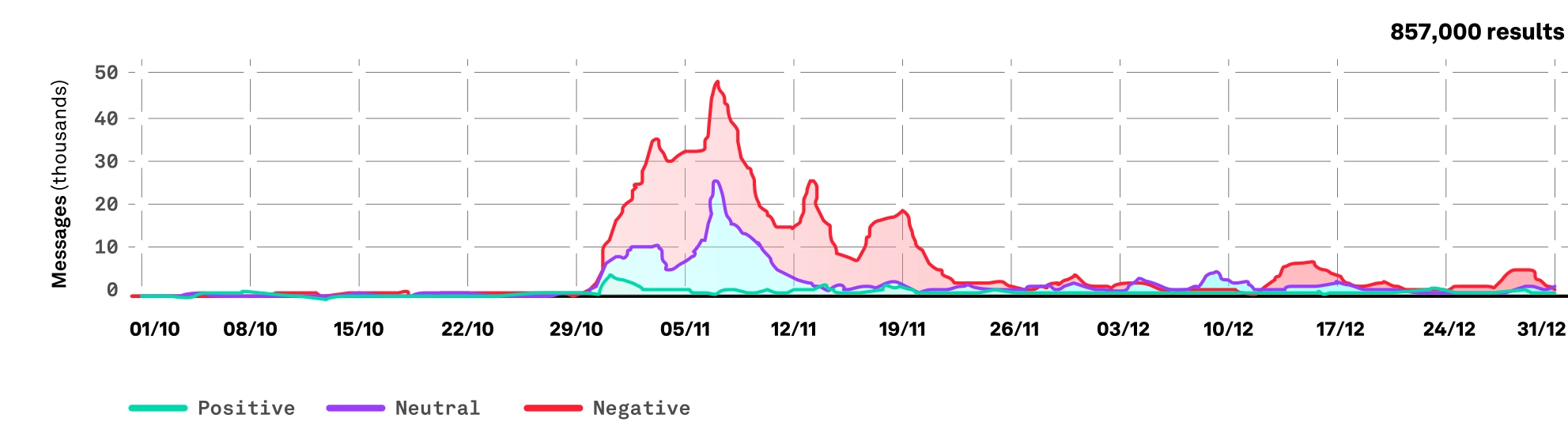
Proportion of social media messages about the Spanish Red Cross that were positive, neutral and negative, October–December 2024
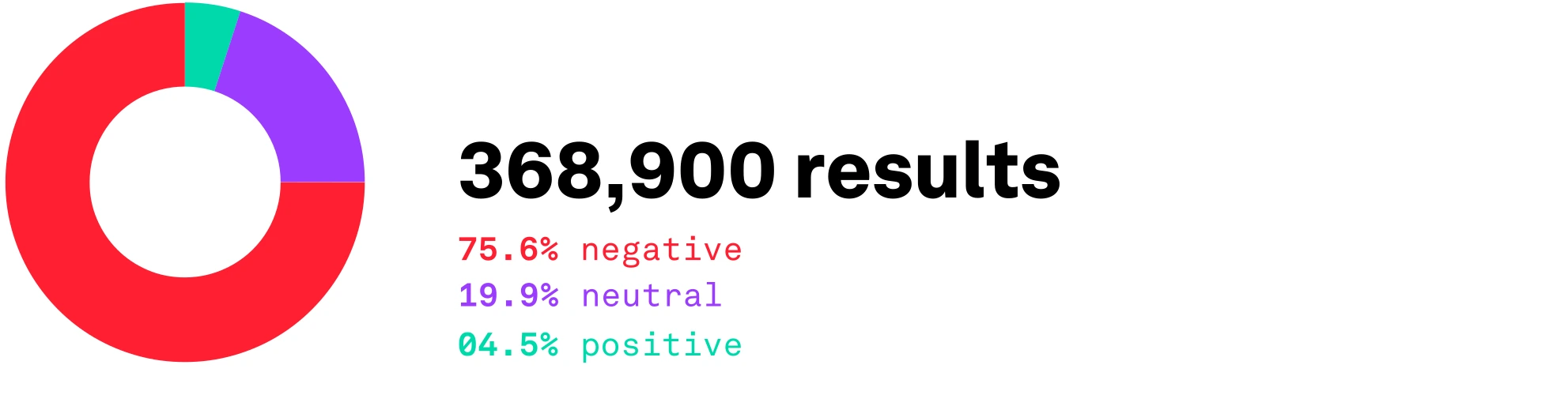
In November and December alone, the newspaper La Gaceta published 32 articles criticizing the Spanish Red Cross. During the same period, some politicians posted 104 messages against the Spanish Red Cross. Pro-Israel groups also seized the opportunity to amplify the posts against the Red Cross.
Most of the accounts attacking us were anonymous. While much of the criticism focused on the DANA, it also targeted issues such as migration, the financial management of the Spanish Red Cross and claims that the Red Cross was not present and working on the ground.
The harmful information spread about our National Society and other humanitarian actors in this case did not have a significant impact on public institutions, as they were being attacked equally – along with civil society in general. However, it did impact some of the companies that collaborate with us, which were also targeted. The broader public impact was evident in the many questions raised on social media, as well as by individual members contributing through their membership fees.
Lessons learned and opportunities for improvement
Team resizing: The internal expansion of the social media and press team would have been more effective if it had been carried out earlier in the emergency. At the time, we lacked local or international references on the right timing; now we have learned when such adjustments should be made.
Partnerships and external support: Engaging a reputation management agency earlier would have been more beneficial. A temporary upgrade of monitoring and response tools could also have strengthened our capacity. Our partnerships with media groups proved to be key in the crisis management.
In the Spanish Red Cross social media protocol (an internal document), introduced in January 2025, we now outline steps to follow in any emergency or communication crisis. It sets out, step by step, the roles and responsibilities of each person, warning levels, risk assessment measures and corresponding actions. Over the year following the DANA, we strengthened the completeness of information across all communications, including internal communication and brand protection. Alongside the crisis and social media protocol, all our social media accounts are protected with triple security measures, with a limited number of people holding full access rights.
We have also redefined our global communication strategy, recognizing that such incidents are likely to recur. In addition, we actively participate in various groups and initiatives on harmful information from a communications perspective, including within the Movement, on the Plataforma del Tercer Sector (Third Sector Platform), and in a new initiative led by the Spanish Government’s communications department in collaboration with other humanitarian actors’ communications teams.
Recommendations
Greater involvement of Red Cross volunteers in social media is needed. Establishing a digital volunteer group to serve as brand ambassadors and defenders, in a systematic way, could be effective.
Better regulation of social media accounts, as account anonymity is increasingly harmful, allowing false messages and hate speech to spread without accountability. The same laws that apply offline should also apply online.
Observations
Disinformation accusing the Spanish Red Cross of prioritizing helping migrants and/or people overseas over Spanish citizens undermines the perception of the principle of impartiality.
Disinformation accusing the Spanish Red Cross of supporting government immigration policies undermines the perception of our principles of independence and neutrality.
Disinformation alleging that the Spanish Red Cross is not present on the ground undermines the perception of the principle of humanity.
María Trénor Alvargonzález
Director of Communication
Spanish Red Cross
Kenan Terzic
Social Media Manager
Spanish Red Cross
The critical elements of strategic communication in a digital age – the right audience, right message, right time and right messenger38 – are especially important in efforts to counter harmful information. These four components are deeply interdependent. Even a well-crafted message may fail to resonate if it is delivered to the wrong audience, is delivered by an untrusted source or arrives at an inopportune moment. Missteps in any one of these areas can unintentionally reinforce harmful information, deepen distrust or drive disengagement.
Effective communication requires strategic precision: understanding who needs the information, what matters to them, when they are most receptive and who they are most likely to trust. In the context of harmful information, this approach is not just good practice – it is essential to building and sustaining trust, engagement and resilience.
The critical elements of strategic communication in a digital age
Element | Guiding questions | Considerations in practice |
|---|---|---|
| Right audience | Who is affected or at risk? Whose behaviour, perception or trust needs to shift? | Disaggregate by gender, age, language, access, vulnerability. Map trusted networks and local influencers. |
| Right message | What do they need to know? What matters to them? What concerns are they expressing? | Ground messages in community concerns. Ensure cultural and contextual relevance. Focus on what people want to understand, not just what responders want to say. |
| Right time | When is the audience most receptive? When do they need the information to make decisions or act? | Provide information early enough to act. Share continuously as situations evolve. Align delivery with key decision points or moments of highest relevance. Avoid overload; repeat key messages to reinforce understanding and trust. |
| Right messenger | Who do they trust? Who can deliver the message with legitimacy and empathy? | Use trusted local figures such as community leaders, health workers, religious leaders, youth, peers. Ensure diversity, credibility and cultural sensitivity. |
6.9Critical reflections: Challenges in practice
Silence is not a strategy when confronting harmful information. Choosing not to respond – whether out of caution, fear of amplifying the issue or uncertainty – can allow false narratives to take root and spread unchecked. In many contexts, the absence of credible voices creates a vacuum that harmful actors are quick to fill and exploit, often reinforcing fear, confusion or division. While responses must be carefully considered and grounded in local realities, remaining silent can be interpreted as indifference, weakness or even complicity. Experience across crises shows that timely, trusted and context-sensitive communication is essential – not just to counter falsehoods but to build confidence, foster dialogue and strengthen community resilience to the real-world consequences of harmful information. A decision-making framework or response tree specific to each organization may help guide whether, where, when and how to respond.
At the same time, community engagement, while essential in responding to harmful information, is not without risks. Community voices, if not carefully supported, can be co-opted, censored or politicized, especially in polarized environments or situations of armed conflict and violence. Individuals may face retaliation or backlash from authorities, political factions or other groups. Ethical concerns also arise when community members are asked to act as monitors, especially if roles and expectations are unclear or if the engagement puts them at risk. Without clear safeguards around consent, confidentiality and safety, community-based efforts risk undermining trust or unintentionally causing harm.
Digital exclusion adds another layer of complexity. Unequal access to devices, connectivity and digital literacy limits who can participate in information ecosystems. These disparities frequently mirror and reinforce existing inequalities, particularly along lines of gender, age, geography and socioeconomic status.
As discussed earlier in this report, migration remains one of the most politically charged and polarizing issues of our time. The high political stakes surrounding migration control and management strategies as well as public perceptions of migration present serious challenges and dilemmas for humanitarian responders. In particular, harmful information is used to delegitimize humanitarian activities, for example, in the Mediterranean, where NGOs involved in search and rescue missions have faced media attacks, political accusations of collusion with smugglers and public backlash. These narratives not only erode trust in humanitarian actors but can also restrict operational access, reduce funding and endanger them and the people they seek to help.
Migrants themselves often rely primarily on informal sources, such as family, friends and social networks, both before and during their journeys. Barriers to information access are also acute. Migrants may avoid seeking information out of fear of detection, deportation or discrimination. Language barriers, limited connectivity and the perception that official channels are untrustworthy further compound the challenge. In such contexts, harmful information can thrive – exploiting gaps in access, fear and exclusion – making it even more critical to ensure migrants receive timely, accurate and trusted information that enables informed decision-making and protects their dignity and rights.
A coordinated approach to harmful information – including common protocols for identifying, verifying and responding to rumours and harmful information.
Accessible training and tools – to help staff and volunteers understand and navigate digital and information risks, including harmful information tactics.
Greater investment in digital and information literacy – for both humanitarian actors and the communities they serve.
Stronger engagement with media and technology platforms – to flag harmful content, promote trusted sources and amplify accurate narratives.
Guidance on principled and context-sensitive communication – particularly neutrality and impartiality – when addressing politically charged or emotionally sensitive harmful information. Guidance should support proactive strategies such as prebunking and accurate framing, ensuring responses are principled, context-aware and protect both staff and affected communities.
Concluding remarks: From communication to collaboration
Addressing harmful information effectively requires more than delivering messages, it demands a fundamental shift in mindset: from disseminating information to enabling participation and agency. Too often, communication efforts are designed as one-way flows, with external actors determining what information is relevant or important, how it is framed and who gets to speak. This top-down approach not only risks reinforcing existing power imbalances but also overlooks the insights, lived experiences and priorities of people in need.
In contrast, when communities are actively involved in shaping the narratives, identifying risks and driving the response, they are no longer passive recipients of information but co-creators of solutions. Building resilience to harmful information is not simply about correcting falsehoods – it is about restoring trust, deepening dialogue and empowering people to navigate information environments.
This shift toward shared agency requires:
Recognizing and supporting trusted local actors, from youth leaders and women’s groups to religious figures and community media, who are best positioned to engage meaningfully with their peers and people in need.
Investing in local information ecosystems – community radio, local journalists, digital access points, feedback mechanisms – that provide continuous, context-relevant communication before, during and after crises.
Embedding media and digital literacy into humanitarian programming, enabling individuals to assess and challenge harmful content and engage in informed decision-making.
Creating space for participatory content creation, allowing communities to express their perspectives in formats that resonate culturally and emotionally, whether through storytelling, theatre, radio or social media.
Safeguarding community engagement, ensuring that participation does not expose individuals to risks, especially in politically polarized or fragile environments.
As highlighted throughout this report, harmful information is not just a communications challenge, it is a threat to humanitarian access, acceptance and security, and as such requires a whole-of-organization and whole-of-society approach. Addressing it requires systems-thinking, sustained collaboration and a willingness to share control. Just as humanitarian actors need to fully embrace the localization agenda in service delivery, the same commitment is needed in response to harmful information: to listen, co-create and build responses grounded in trust, transparency and mutual accountability.
The critical elements of strategic communication in a digital age – the right audience, right message, right time and right messenger – are especially important in efforts to counter harmful information. These four components are deeply interdependent.
Ultimately, resilience to harmful information is not achieved through better messaging – it is built through better relationships. By investing in local voices, community ownership and inclusive approaches, the humanitarian sector can move beyond reactive counter-narratives and toward a more sustainable, principled and people-centred response. Shifting toward shared agency means recognizing that trust and legitimacy come not from broadcasting facts, but from meaningful participation, dialogue and mutual accountability.
Note: The author gratefully acknowledges the contributions of the following individuals to section 6.3 and the insights reflected in the community member quotes included in each chapter: Ewané Fabrice Adrien, Nnang Minkoulou Pauline Santana, Essounga Jeanne Claris, Hadidjatou Sali, Fadma Mahamat, Imashela Abram Nambayo, Mambepa Mulilo, Mubila Majaluwa, Ziyi Min, Chen Xi Iris, Pengye Zhang, Mark Cainen, David Mackay, Andriamirado Malalatiana Michel, Rasoanomenjanahary Elisah Nahavitatsara, Rakotolava Safidinirina Précila, Be Ravololona Stanicia, Raveloson Elodye Larissa, Raharimanana Hery-Zo, Aaron Onyede, Ocaya Sunday, Hadaya Alli, Abdalla Fouda, Zinab Al Mohammad, Safa Al-Kuhlani, Dr Abrar Hayder Alameen Ahmed, Ron Adamba, Odero Otieno Wycliffe, Angellah Praygod Mochawa, Naomi Odwa, Joseph Karanja, Martha David Ibon, Guisel Guadalupe Serrano, Ximena Carmen Vicente Machaca, Samantha Mendez, Nicol Victoria Grimaldis Oño, Navindu Ratnayaka, M.E Praveen Waas, Suvini Rathnayake and Sachintha Ayeshka Abeysinghe.
Asks, aims and recommendations
Put communities at the heart of information resilience by investing in inclusivity, accountability and collaboration. This includes supporting feedback mechanisms, local verification and community-owned narratives that strengthen locally trusted information systems, enabling principled humanitarian action and more effective crisis response.
Strengthen principled humanitarian action by embedding community voices and verification systems within information ecosystems.
Ensure humanitarian responses are principled and accountable by using information and narratives grounded in local perspectives, reflecting diverse community voices, and promoting trust and inclusivity in decision-making.
Strengthen operational resilience by ensuring diverse voices guide humanitarian decisions and responses.
States and policy-makers
-
Resource community-led verification and communication by funding rumour tracking, independent journalism and inclusive channels (radio, digital access points, offline formats) in local languages.
-
Strengthen information ecosystems critical to humanitarian action by investing in local capacity and information literacy, and promoting stronger responses from technology platforms and proactive measures to counter harmful information.
-
Empower trusted local actors – including youth groups, women’s networks and community media – through partnerships, resources and safeguards, and integrate them into local information ecosystems to support verification, feedback and principled humanitarian action during crises.
Humanitarian actors
-
Build accountability and trust through co-created messages, community feedback loops, transparent reporting and joint review with communities – ensuring that engagement respects humanitarian principles and avoids politicization.
-
Establish early-warning and rapid response systems to monitor information patterns and narratives that affect humanitarian action, amplify trusted messengers and enable timely responses at the local level – while safeguarding privacy.
-
Support community-led content by enabling safe, independent storytelling and locally relevant information in local languages, with robust safeguarding measures to protect contributors and ensure inclusion.
-
Strengthen local journalists and media through capacity building for timely and accessible multilingual content across both online and offline platforms – while maintaining neutrality and avoiding alignment with political agendas – to support principled humanitarian crisis response and a resilient local information ecosystem.
-
Measure and learn by tracking trust, participation quality, the inclusion of marginalized voices and timeliness of corrections – using anonymized or aggregated data – and share lessons learned to improve principled humanitarian responses across contexts.
-
Ensure strategic communication in humanitarian contexts aligns the right audience, message, timing and messenger, recognizing their interdependence, to effectively counter harmful information and support principled, context-sensitive responses.
Communities and local leaders
-
Generate and amplify community-owned narratives that build trust and support principled humanitarian actions during crises.
-
Act as trusted intermediaries facilitating – where required – dialogue between humanitarian actors, authorities and populations in need to ensure two-way accountability and respecting and supporting the role of principled humanitarian organizations.
-
Safeguard inclusivity in local information systems so that diverse voices – including groups that are marginalized – are represented and heard.
Endnotes
Footnotes
-
IFRC. Global Platform for Disaster Risk Reduction (GPDRR) 2025: Call to Action (2025) https://www.ifrc.org/sites/default/files/2025-06/IFRC_Global%20Platform%20for%20Risk%20Reduction%202025_Call%20to%20Action.pdf ↩
-
See, for example, Grand Challenges Canada. Creating Hope in Conflict. Navigating the Information Landscape: Misinformation, Disinformation, and Hate Speech in Humanitarian Contexts. Scoping study. (2024) p.30 https://humanitariangrandchallenge.org/mdh-report-launch ↩
-
IFRC. Framework for Community Resilience (2014) p.6 https://www.ifrc.org/sites/default/files/IFRC-Framework-for-Community-Resilience-EN-LR.pdf ↩
-
Ibid, p.10 ↩
-
Singer, PW. and Brooking, ET. LikeWar: The Weaponization of Social Media. (2018) p.169 ↩
-
IFRC and ICRC. A Red Cross Red Crescent Guide to Community Engagement and Accountability. (2021) https://www.ifrc.org/sites/default/files/2022-05/RCRC_CEA_Guide_2022.pdf ↩
-
IFRC. Framework for Community Resilience (2014) p.6 https://www.ifrc.org/sites/default/files/IFRC-Framework-for-Community-Resilience-EN-LR.pdf ↩
-
IFRC Americas. Impacto de los Huracanes Eta e Iota en Honduras: Participación Comunitaria en la Respuesta. YouTube. (Spanish) (2025) https://www.youtube.com/watch?v=iSVOU1PqeM0 ↩
-
IFRC Americas. La Importancia de la Retroalimentación en la Respuesta Humanitaria. YouTube. (Spanish) (2025) https://www.youtube.com/watch?v=hizXEfbwdt8 ↩
-
IFRC Americas. Strengthening Coordination for Effective Humanitarian Action. YouTube. (2025) https://www.youtube.com/watch?v=We5qhbJtsuo ↩
-
IFRC. Community Engagement and Accountability Impact Research: Guatemala Case Study (Spanish). Community Engagement Hub. (2023) https://communityengagementhub.org/resource/community-engagement-and-accountability-impact-research-guatemala-case-study ↩
-
IFRC. Panamanian Red Cross Coordination with Government Leads to Better Responses. Community Engagement Hub. (2025) https://communityengagementhub.org/resource/panamanian-red-cross-coordination-with-government-leads-to-better-responses ↩
-
Ecuadorian Red Cross and IFRC. Cohesión Social Ecuador 2023. Community Engagement Hub. (2024) Analytical report: https://communityengagementhub.org/es/resource/cohesion-social-ecuador-2023-reporte-completo and executive report: https://communityengagementhub.org/wp-content/uploads/sites/2/2024/02/REPEJECUT-COHESOCIAL-IFRC-CRE-PPP.pdf ↩
-
See Red Crescent Society of Kyrgyzstan. https://www.redcrescent.kg/ru/about/docs ↩
-
Malteser International. Democratic Republic of the Congo: Applying the People First Impact Method (P-FIM) in the Context of the Ebola and Covid-19 Response, Cologne (2020) https://www.malteser-international.org/fileadmin/Files_sites/malteser-international/B-Our_Work/Africa/DR_Congo/P-FIM_in_Ebola_and_Covid-19_response_Malteser_International.pdf ↩
-
Pierre, J. False: How Mistrust, Disinformation, and Motivated Reasoning Make Us Believe Things That Aren’t True. (2025) p.178 ↩
-
Public Health Agency of Canada. Rapid Review: An intersectional analysis of the disproportionate health impacts of wildfires on diverse populations and communities. (2024) https://www.canada.ca/en/public-health/services/publications/healthy-living/rapid-review-intersectional-analysis-disproportionate-impacts-wildfires-diverse-populations-communities.html ↩
-
Internal Displacement Monitoring Centre. Canada’s Indigenous peoples increasingly at risk of disaster displacement. PreventionWeb and UNDRR note summarizing IDMC data. (2024) https://www.preventionweb.net/news/canadas-indigenous-peoples-increasingly-risk-disaster-displacement ↩
-
Each community researcher was trained and supported to conduct semi-structured interviews in their preferred language (Arabic, French, Chinese, English, Spanish, Kiswahili, Malagasy or Acholi), analyse the data and summarise key issues. Volunteer academics from the University of Michigan, Northumbria University and Open Lab (Newcastle University) then synthesized these findings at the global level, while maintaining local nuance. ↩
-
Grand Challenges Canada. Creating Hope in Conflict. Navigating the Information Landscape: Misinformation, Disinformation and Hate Speech in Humanitarian Contexts. Scoping study. (2024) p.81 https://humanitariangrandchallenge.org/mdh-report-launch ↩
-
Ibid ↩
-
Malawi Red Cross Society, IFRC and USAID. “When the Hippo Walks, We Know a Flood Is Coming”: Community Perceptions on Locally Led Adaptation to Climate Change in Malawi. (2024) https://communityengagementhub.org/wp-content/uploads/sites/2/2025/07/REPORT-Malawi-Perception-Study-on-LLA-_-2024.-FINAL.pdf ↩
-
IFRC and Plan Eval. Engaged, Informed and Empowered: The Impact of Community Engagement on Public Health Outcomes. Community Engagement Hub. (2025) https://communityengagementhub.org/resource/engaged-informed-and-empowered ↩
-
IFRC. Community Engagement and Accountability Impact Research: Georgia Case Study. Community Engagement Hub. (2023) https://communityengagementhub.org/resource/community-engagement-and-accountability-impact-research-georgia-case-study ↩
-
IFRC. Community Engagement and Accountability Impact Research: Guatemala Case Study (Spanish). Community Engagement Hub. (2023) https://communityengagementhub.org/resource/community-engagement-and-accountability-impact-research-guatemala-case-study ↩
-
IFRC. Community Engagement and Accountability Impact Research: Guinea Case Study (French). Community Engagement Hub. (2023) https://communityengagementhub.org/resource/community-engagement-and-accountability-impact-research-guinea-case-study ↩
-
IFRC. Community Engagement and Accountability Impact Research: Indonesia Case Study. Community Engagement Hub. (2023) https://communityengagementhub.org/resource/community-engagement-and-accountability-impact-research-indonesia-case-study ↩
-
IFRC. Community Engagement and Accountability Impact Research: Malawi Case Study. Community Engagement Hub. (2023) https://communityengagementhub.org/resource/community-engagement-and-accountability-impact-research-malawi-case-study ↩
-
Nepal Red Cross Society and IFRC. From managing misconceptions to building trust in Covid-19 vaccination. (2023) https://communityengagementhub.org/wp-content/uploads/sites/2/2023/02/From-managing-misconceptions-to-building-trust-in-Covid-19-vaccination_Sarif-31012023.pdf ↩
-
International Telecommunication Union (ITU). Facts and Figures 2024. The Gender Digital Divide. (2024) https://www.itu.int/itu-d/reports/statistics/2024/11/10/ff24-the-gender-digital-divide ↩
-
UN General Assembly. Intensification of efforts to eliminate all forms of violence against women and girls: technology-facilitated violence against women and girls: Report of the Secretary-General. (A/79/500) 79th session (2024) https://undocs.org/en/A/79/500 ↩
-
ITU-Broadband Commission. Balancing Act: Countering Digital Disinformation While Respecting Freedom of Expression. (2020) p.256–257 https://www.broadbandcommission.org/publication/balancing-act-countering-digital-disinformation ↩
-
IFRC. Stronger faster safer: Epidemic preparedness and response success stories from the Programmatic Partnership 2022-2025. (2025) p.22–23 https://www.ifrc.org/sites/default/files/2025-06/2025_IFRC_ECHO_Epidemic_Preparedness_Stories_EN.pdf ↩
-
This objective acknowledges that citizens must have access to trustworthy, balanced and comprehensive information about current affairs, the actions of decision-makers and other factors relevant to their personal decisions. It underscores the need for proactive engagement and holistic strategies that address the multiple factors required to maintain a healthy information ecosystem. Compare: UN Development Programme. Information Integrity: Forging a Pathway to Truth, Resilience and Trust (2020) https://www.undp.org/sites/g/files/zskgke326/files/2022-02/UNDP-Information-Integrity-Forging-a-Pathway-to-Truth-Resilience-and-Trust.pdf ↩
-
Bateman, J. and Jackson, D. Countering Disinformation Effectively: An Evidence-Based Policy Guide. Alverne, C., Ross Arguedas, A., Banerjee, S., et al. The Electoral Misinformation Nexus. Public Opinion Quarterly 2024, 681–707 ↩
-
Fondation Hirondelle. Building Trusted Media in a Fragile Setting – An Evaluation of Radio Ndeke Luka in Central African Republic (2024) https://www.hirondelle.org/wp-content/uploads/2025/04/RNL-External-Evaluation-Report_final_clean.pdf; compare: Fondation Hirondelle. The impact of Radio Ndeke Luka before and after its launch in three remote regions of CAR (2025) https://www.hirondelle.org/en/bekou-study-the-impact-of-radio-ndeke-luka-before-and-after-its-launch-in-three-remote-regions-of-car ↩
-
IFRC. Volunteering Policy (2022) https://www.ifrc.org/sites/default/files/2022-10/20220822_IFRC-Volunteering-Policy-EN.pdf ↩
-
DiResta, R. Invisible Rulers: The People who Turn Lies into Reality. (2024) p. 357 ↩